Humane removal of birds, squirrels and raccoons from New Jersey chimneys, plus the cap or screen that keeps them from coming back.
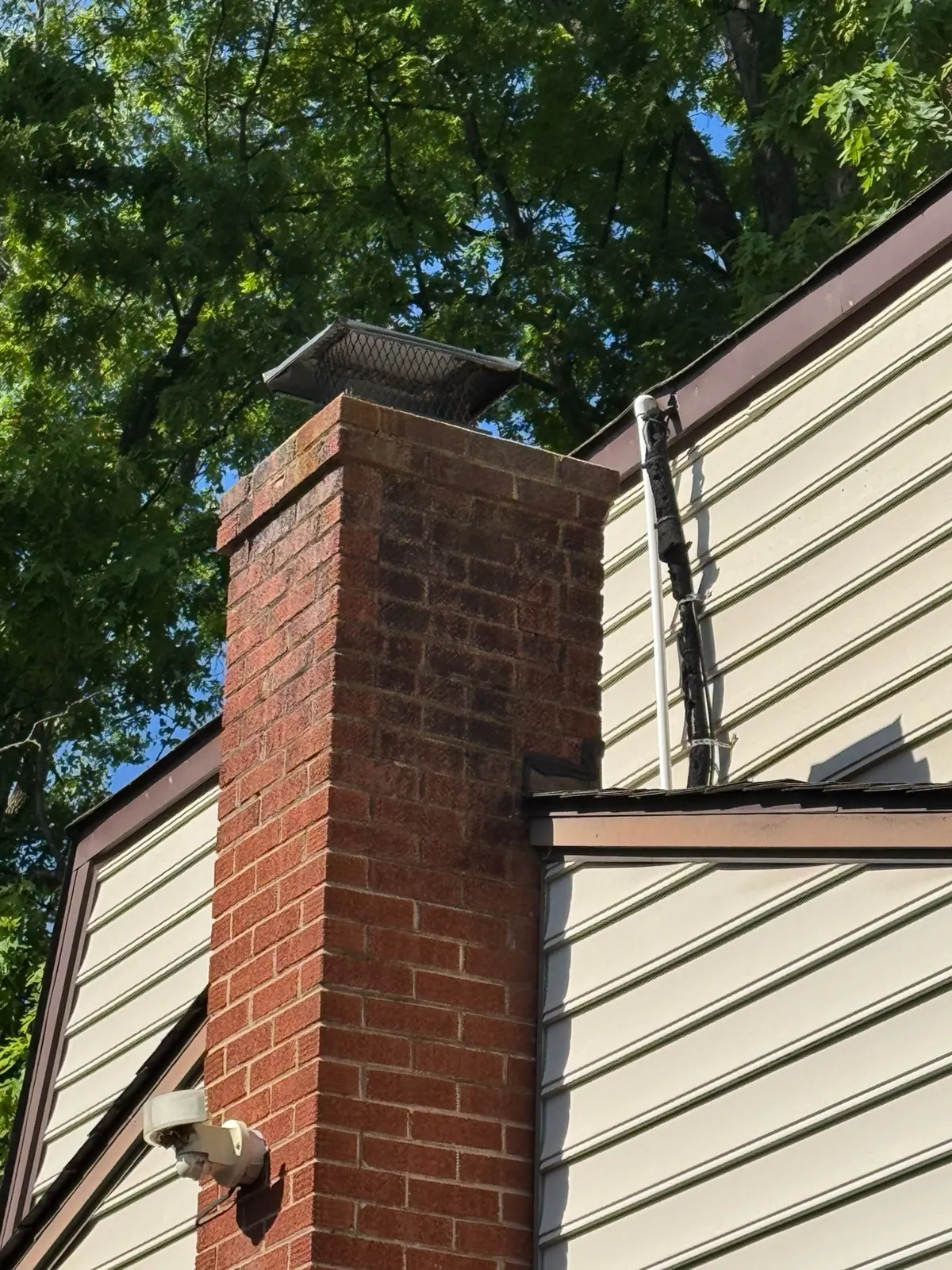
An uncapped chimney is an open invitation: chimney swifts nest in flues every summer, squirrels den in them, and raccoons — strong, clever and very motivated in spring — treat a flue like a hollow tree. By the time you hear scratching or find debris in the firebox, the animal has usually been there a while, and its nesting material has become a genuine flue blockage and fire risk.
We remove animals humanely and legally, clear the nesting debris, sweep the flue clean, and close the door behind them with a proper cap or screen. One caution we give every caller: some chimney guests are federally protected during nesting season — chimney swifts in particular cannot be disturbed while young are in the nest. When that is the case we tell you, schedule the work for the legal window, and fit the cap the day the chimney is clear.
Tell us about your chimney or gas fireplace — we confirm every request by phone. Prefer to talk? Call (855) 424-6217.
Chimney swifts arrive each spring and glue their nests to flue walls — protected birds, and a summer tenant you share the chimney with until the young fledge. Squirrels explore in fall and sometimes fall in, unable to climb smooth liner walls. Raccoons are the heavyweight problem: a mother raccoon raising kits in a smoke chamber is dangerous to approach and destructive to leave, pulling at flashing and fouling the flue. Each species gets a different, legal removal plan — which is why we identify before we act.
An animal removed from an uncapped chimney is a vacancy sign, not a solution. The fix is mechanical: a stainless cap with mesh sized to exclude raccoons and squirrels while venting properly, or a screened top-sealing damper. We fit it on the same visit whenever the chimney is clear, and we check the crown and flashing for the damage animals cause getting in and out.
This work is searched for by many names. Every service below is performed as part of — or booked through — this one:
Do not light a fire, and do not try to smoke the animal out — that is dangerous for the animal and the house. Call us; identification comes first, and most situations resolve faster than people expect.
Not while they are nesting — swifts are federally protected and their young cannot be moved. We will confirm the timeline on inspection, and the day the chimney is legally clear we clean it and fit the cap that prevents next year’s booking.
Yes — this is a common call. We contain the room, open a controlled exit path or capture directly, then find how it got in and close that entry on the same visit when possible.
A properly fitted stainless cap with heavy mesh, yes. Raccoons defeat lightweight screens and loose covers; the cap has to be anchored and sized for the flue, which is exactly how we install them.
Yes. Nesting material, droppings and debris are a blockage and a creosote accelerant. Every removal includes clearing the flue, and we recommend the full sweep that is bundled into the service.
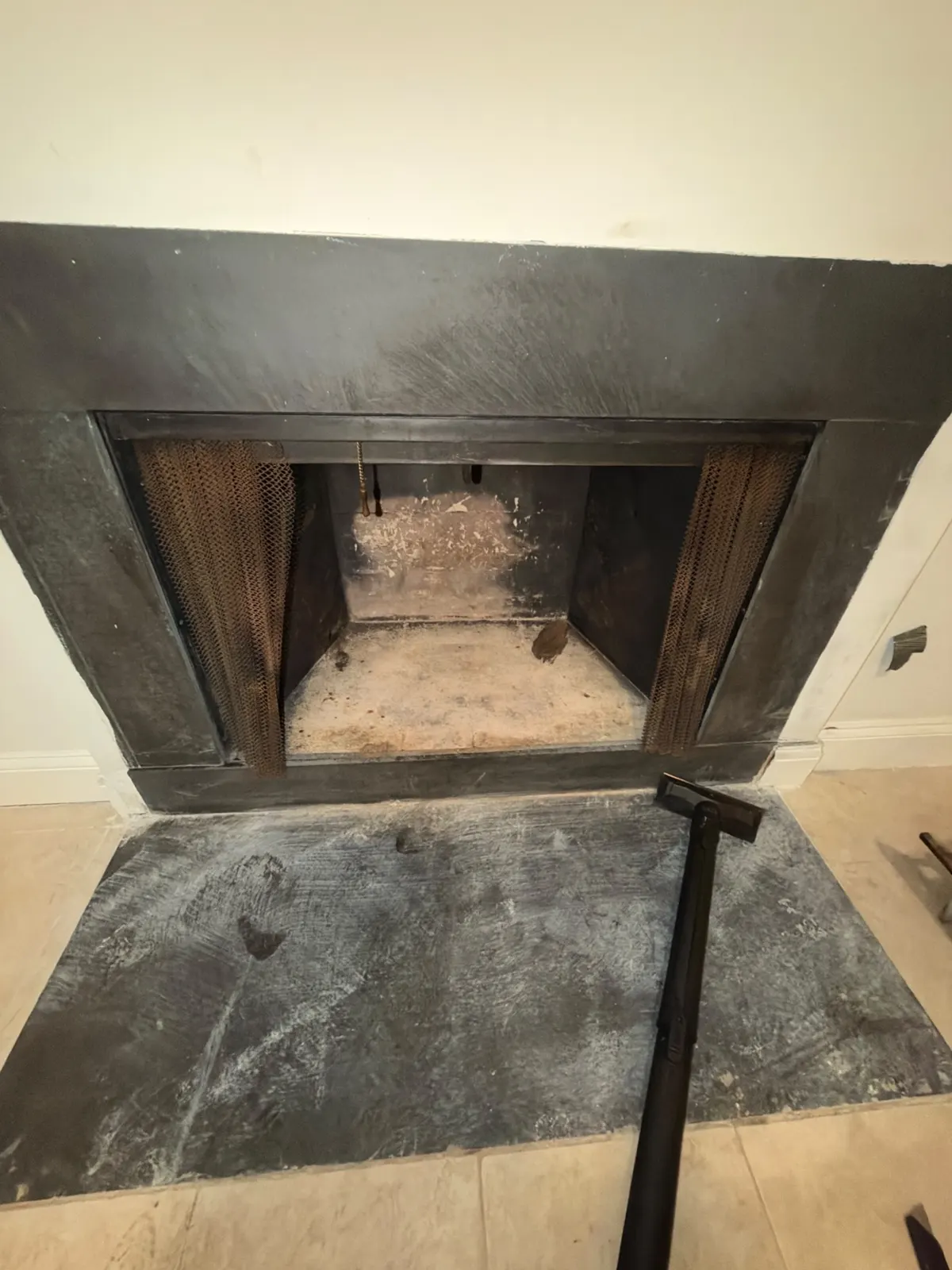
A full sweep of the flue, firebox and smoke chamber — creosote gone, draft restored, and a written condition report before we leave.
Learn more →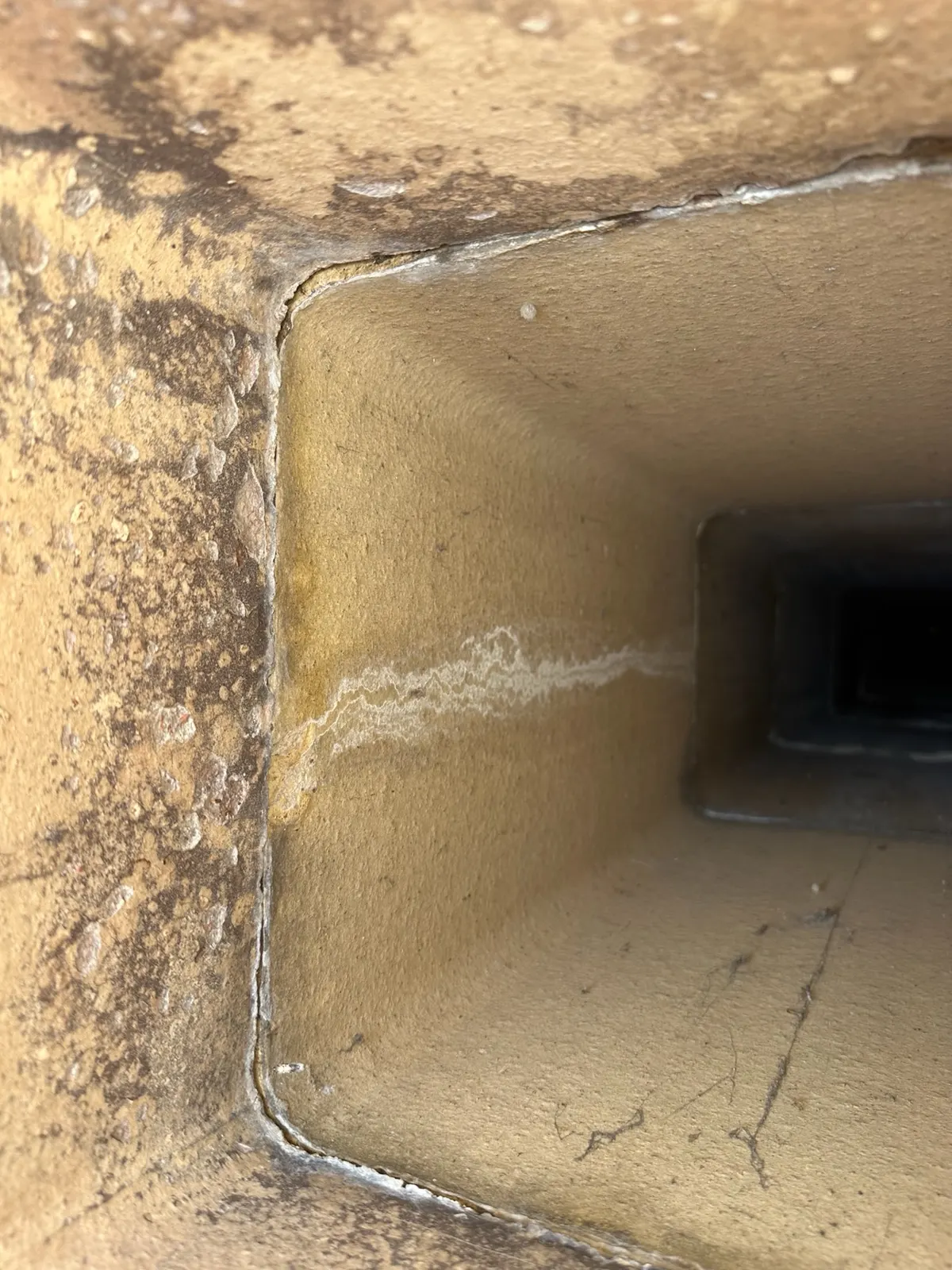
Level 1 and Level 2 chimney inspections with camera scanning, a photo report and straight answers — for annual checks, home sales and after a chimney fire.
Learn more →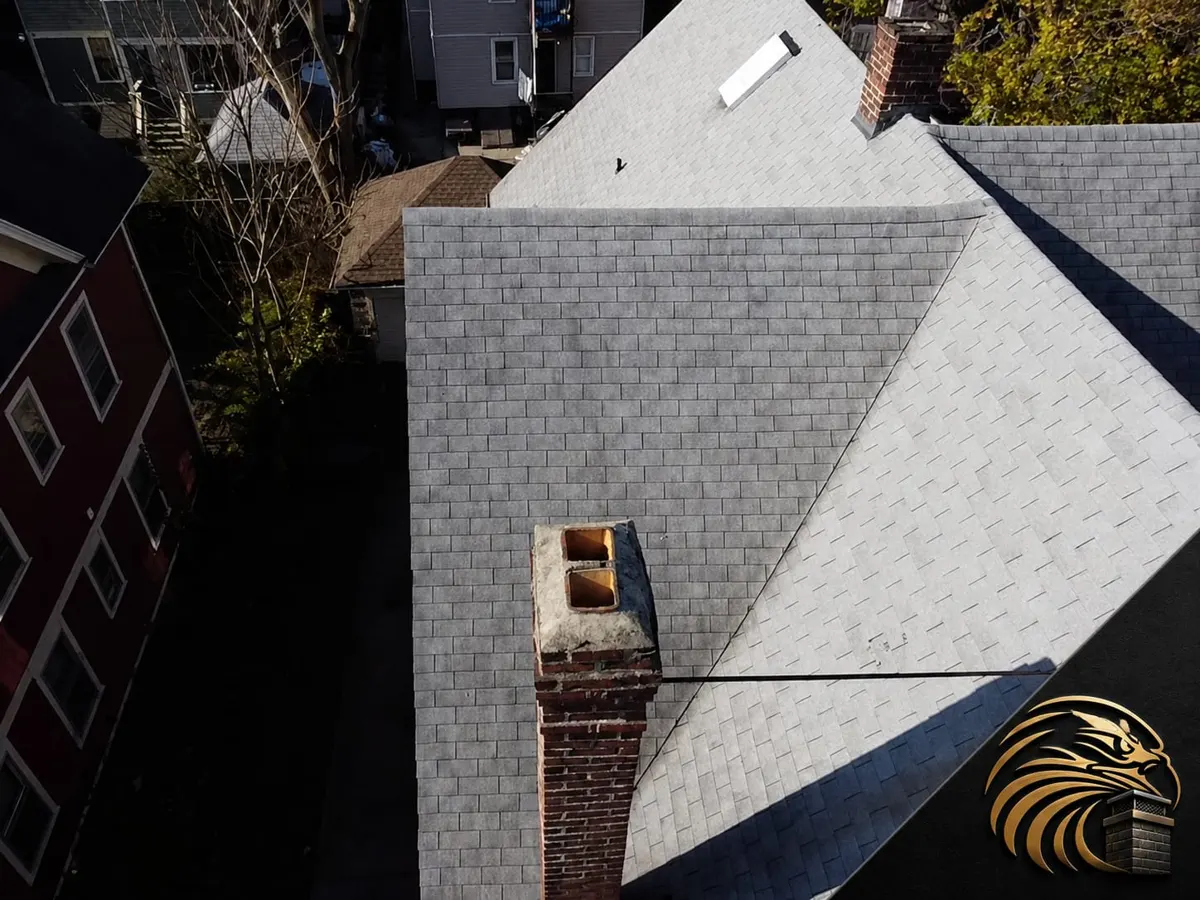
The annual inspection for chimneys in regular service: every accessible part checked, condition documented, safety confirmed for another season.
Learn more →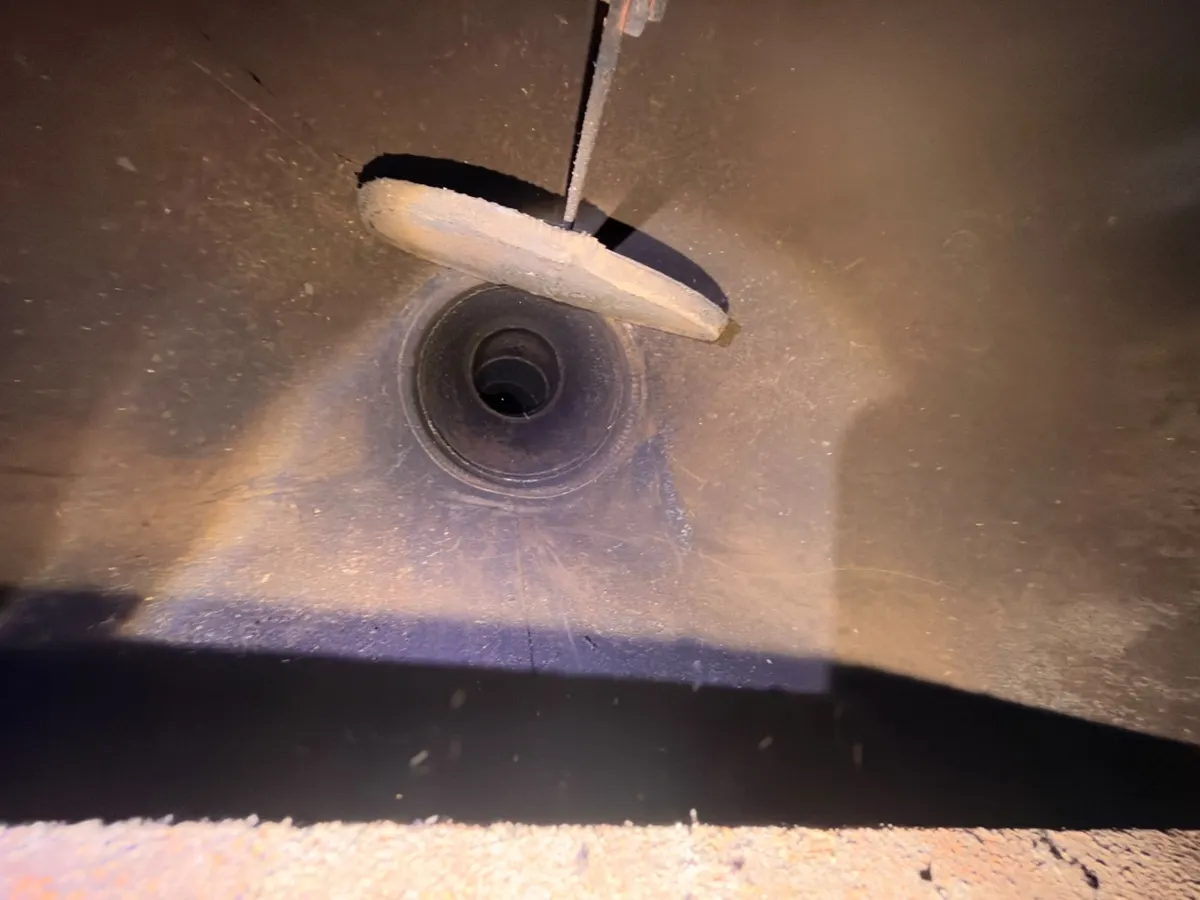
Camera inspection of the entire flue, plus attics, crawl spaces and concealed areas — the inspection for home sales, chimney fires and appliance changes.
Learn more →