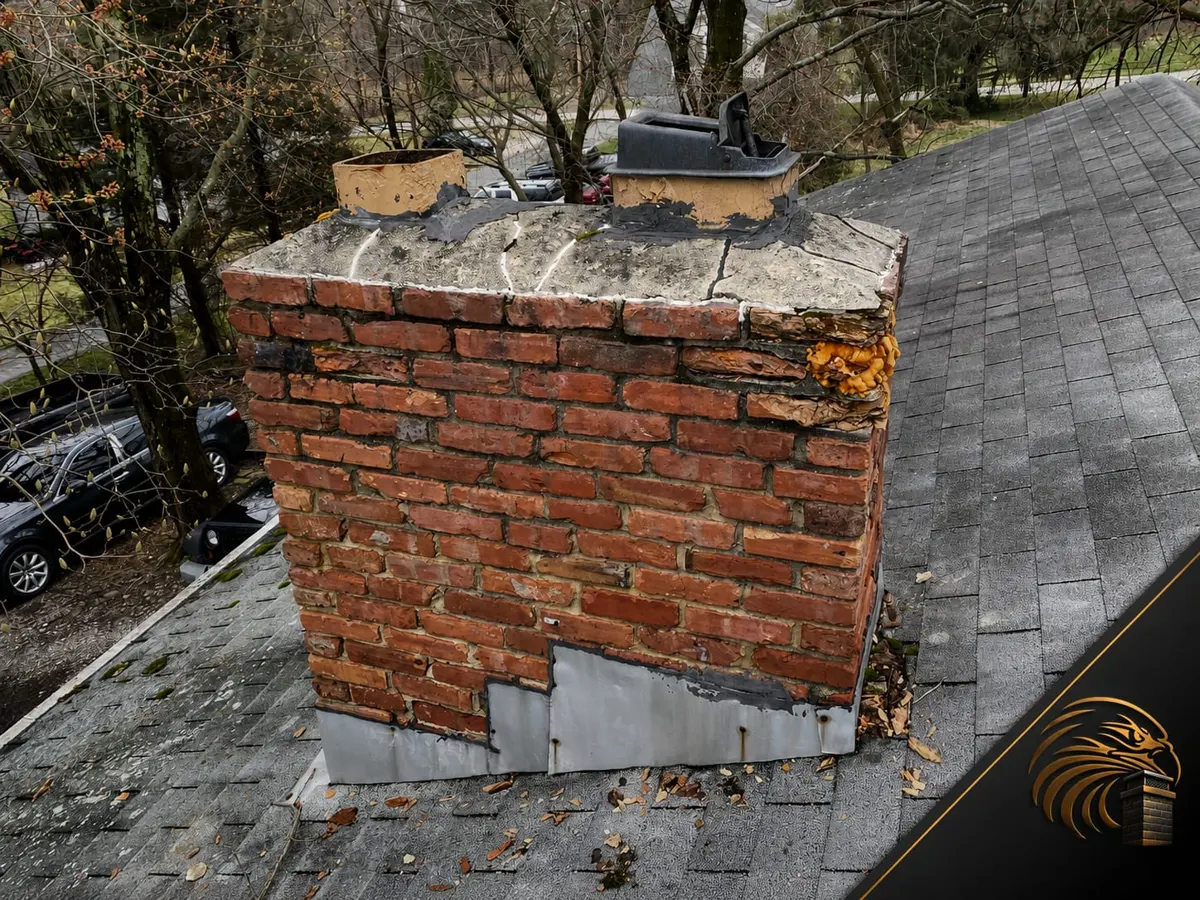
Step and counter flashing repaired and resealed where the chimney meets the roof — the leak path we find most often on New Jersey homes.
More chimney leaks are flashing leaks than anything else. The flashing is the metal system that seals the joint where the chimney passes through the roof — step flashing woven into the shingles, counter flashing cut into the mortar joints, all of it working together to shed water. When it rusts through, pulls loose or was installed wrong in the first place, water follows the chimney straight down into ceilings, walls and attic framing.
We repair flashing the way roofers and masons both respect: failed sections come out, new metal is bent and fitted to your chimney and roof pitch, counter flashing is set into ground-out mortar joints rather than smeared on the surface, and every seam is sealed. If the leak turns out to be the crown, the cap or the brick itself, we will show you the photo and tell you plainly — flashing is our first suspect, not our only answer.
Tell us about your chimney or gas fireplace — we confirm every request by phone. Prefer to talk? Call (855) 424-6217.
Our weather works flashing hard. Nor’easters drive rain sideways against the chimney joint, summer heat bakes sealant brittle, and winter freeze-thaw cycles pry at every seam. Along the Shore, salt air corrodes galvanized metal years early. The classic failure we see in Monmouth and Ocean County homes is a counter flashing that was face-nailed and caulked instead of set into the joint — it looks fine for three or four years, then the caulk lets go all at once.
The two are confused constantly, and the repair prices are very different. A cracked crown sheds water into the flue and the masonry from above; failed flashing lets roof runoff in at the base. We check both on the same visit, photograph what we find, and repair only the one that is actually leaking — or both, if both have failed, with the evidence on camera either way.
This work is searched for by many names. Every service below is performed as part of — or booked through — this one:
Water stains on the ceiling or wall directly below the chimney, especially stains that grow during wind-driven rain, point at the flashing joint. A stain around the fireplace itself more often means the crown or cap. We trace it on the visit and show you.
If the metal is sound and only the sealant has failed, yes — a proper reseal buys real time. If the metal is rusted through or was installed wrong, resealing is a patch on a failed part and we will tell you so.
Yes. If your roof is being replaced, that is the ideal moment to replace flashing too, and we coordinate with roofing crews across our service area regularly.
Most residential flashing repairs are completed in a single visit of two to four hours, depending on access and how much of the system has failed.
The work is documented with photos and the materials are the same grades we use on rebuilds. If a joint we rebuilt leaks, we come back and make it right.
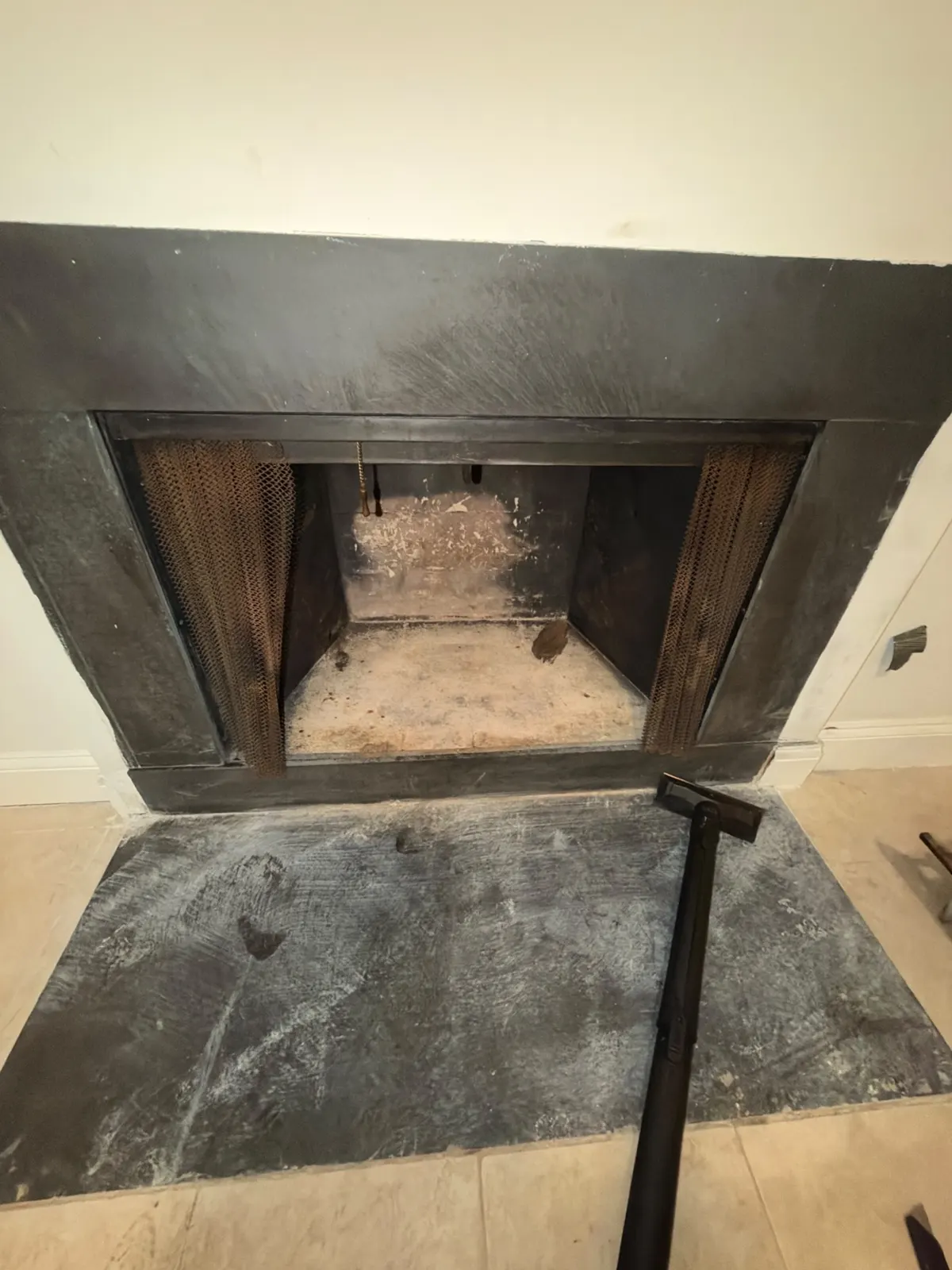
A full sweep of the flue, firebox and smoke chamber — creosote gone, draft restored, and a written condition report before we leave.
Learn more →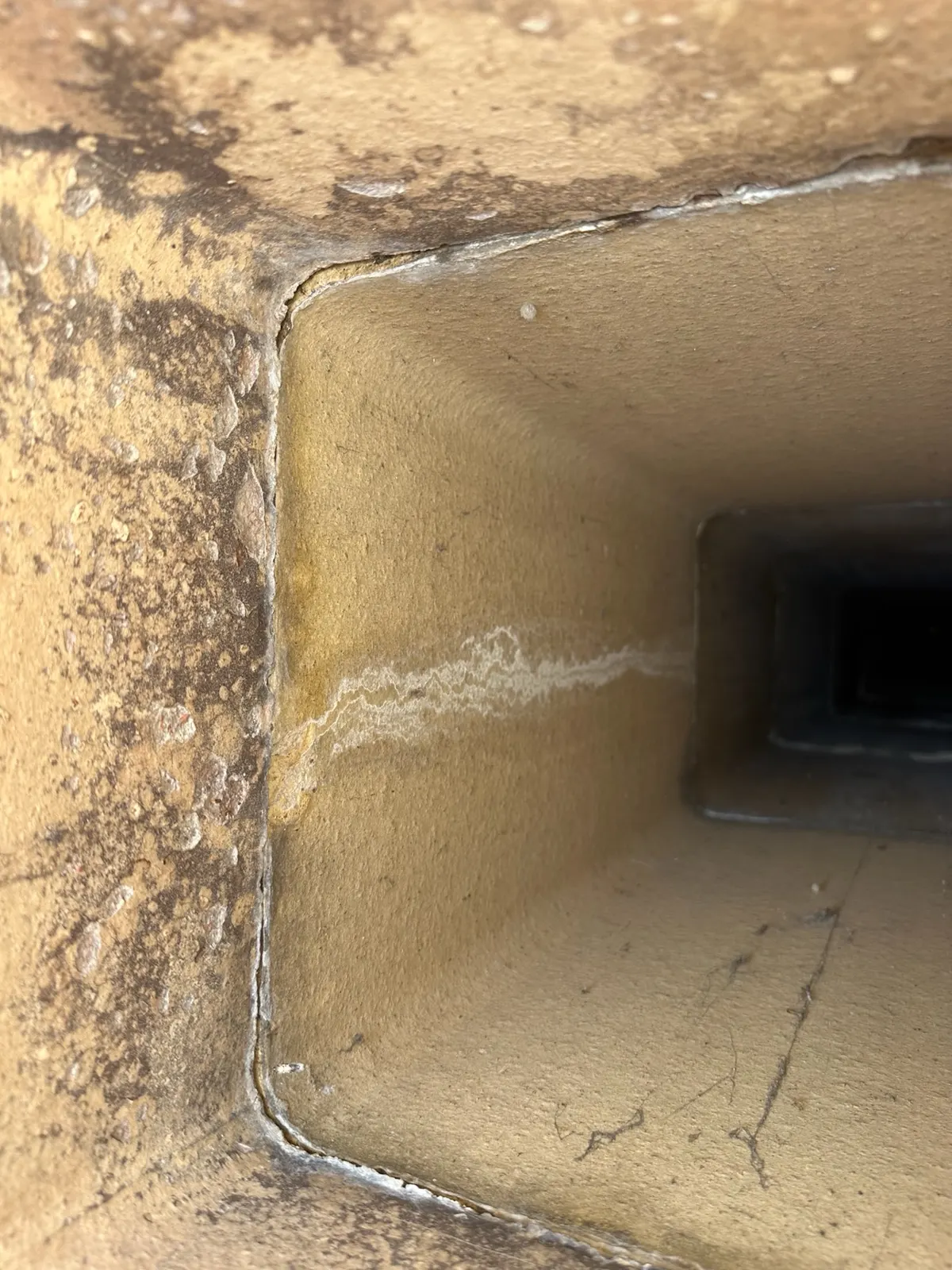
Level 1 and Level 2 chimney inspections with camera scanning, a photo report and straight answers — for annual checks, home sales and after a chimney fire.
Learn more →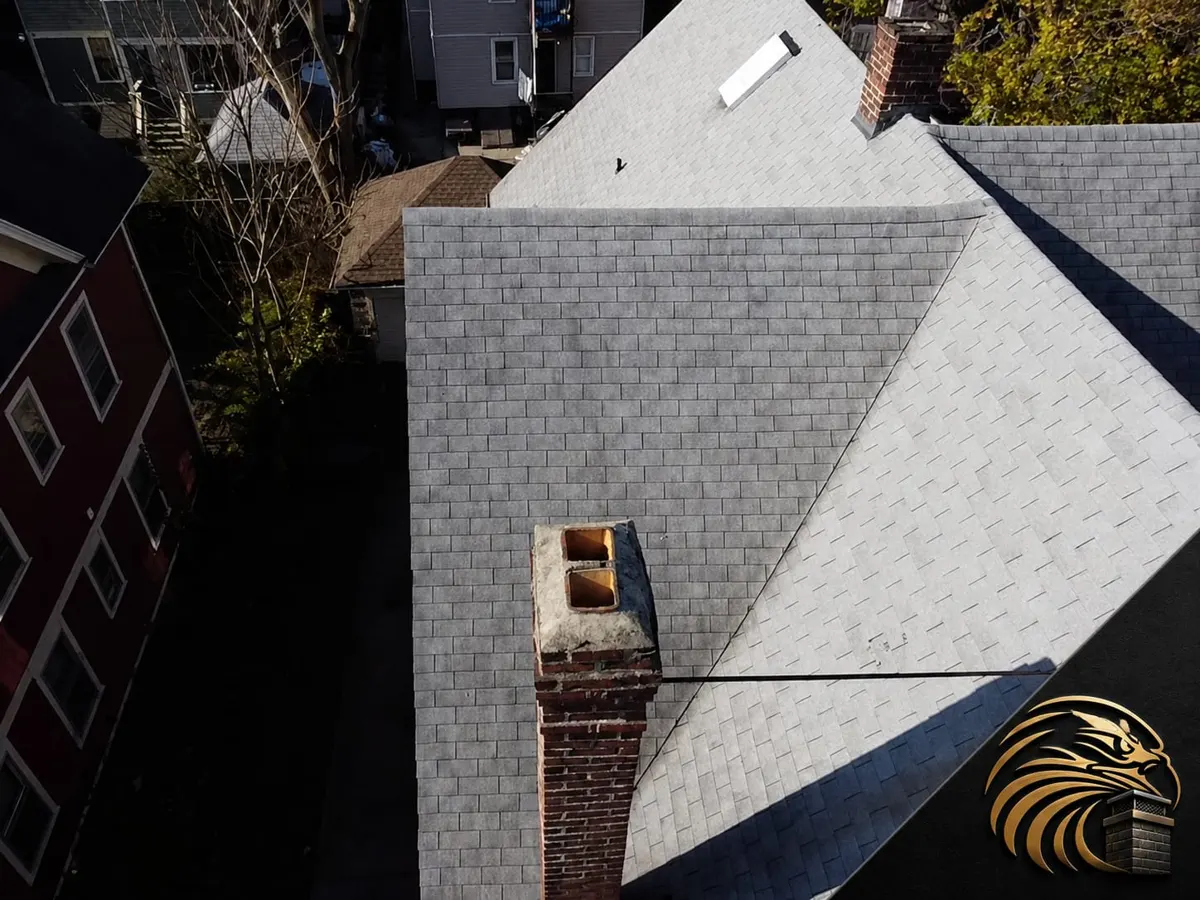
The annual inspection for chimneys in regular service: every accessible part checked, condition documented, safety confirmed for another season.
Learn more →
Camera inspection of the entire flue, plus attics, crawl spaces and concealed areas — the inspection for home sales, chimney fires and appliance changes.
Learn more →