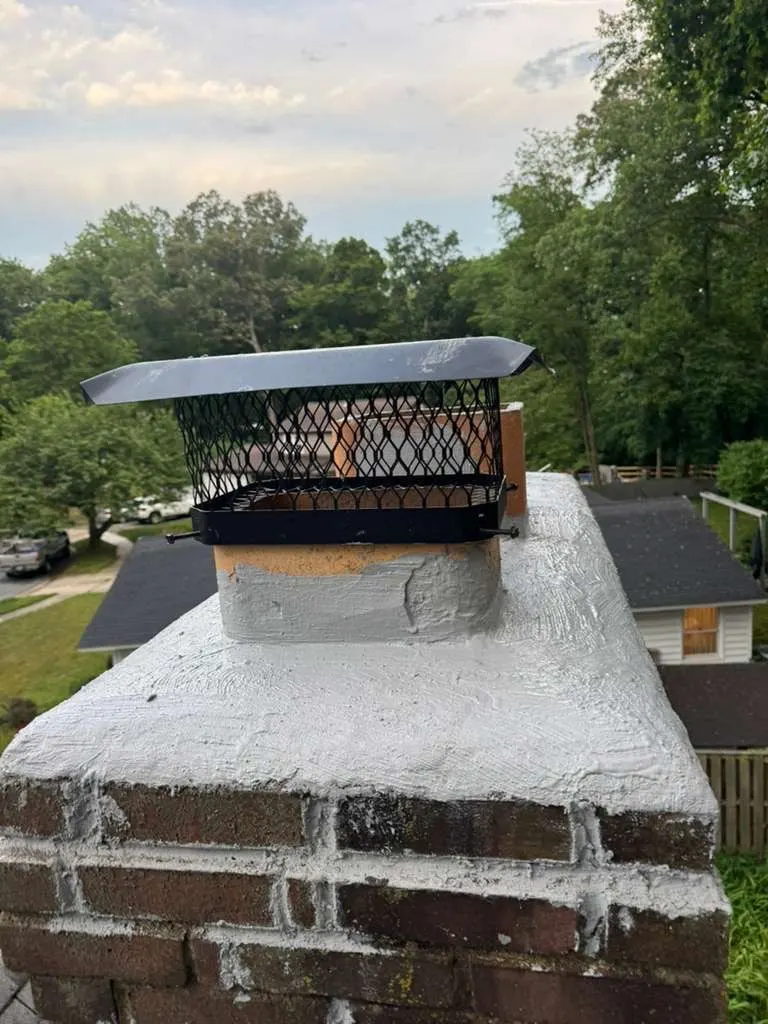
Breathable masonry waterproofing for New Jersey chimneys — water beads off the brick while vapor escapes, so the structure stops spalling.
Brick is a sponge. Every New Jersey chimney soaks up rain, holds it through the freeze-thaw winter, and pays for it in spalled faces, crumbling mortar and white efflorescence stains. Waterproofing done right interrupts that cycle: a vapor-permeable water repellent soaks into the masonry, lines the pores, and sheds liquid water while still letting the brick breathe — so moisture that gets in can always get out.
The product matters more than the spraying. We use chimney-specific breathable repellents, never the film-forming sealers sold for driveways — those trap vapor inside the brick and accelerate the very damage they promise to prevent. Waterproofing is also the last step, not the first: failed mortar, a cracked crown and bad flashing get repaired before any coating goes on, or all you have done is seal the water in with the damage.
Tell us about your chimney or gas fireplace — we confirm every request by phone. Prefer to talk? Call (855) 424-6217.
A chimney dries in two directions. Rain soaks in from outside, and combustion moisture pushes out from inside. A film-forming sealer blocks both — vapor pressure builds behind the film until it pops the brick face off in flakes, the spalling we get called to repair every spring. A penetrating repellent leaves the pores open to vapor and closed to liquid water, which is why chimney manufacturers and masons specify it by name. If a quote just says "sealer," ask which kind.
The chimneys that benefit most are the ones our climate punishes: Shore homes in salt spray, chimneys on the north side of the house that never dry out, older soft brick in Camden and Burlington County farmhouses, and any stack that has already been repointed once. Fresh tuckpointing plus waterproofing is the combination that ends the repair cycle — new joints shed water instead of drinking it.
This work is searched for by many names. Every service below is performed as part of — or booked through — this one:
A quality breathable repellent typically protects for up to ten years before reapplication, depending on exposure. Shore-facing chimneys sit at the shorter end of that range.
No — and anyone who offers to is selling you a short-lived job. Loose mortar and cracks have to be repaired first so the coating protects sound masonry, not failing joints.
No. Penetrating repellents are invisible once cured — no sheen, no color change, no film. The only visible difference is water beading on the surface after rain.
Not by itself. Active leaks come from the crown, cap, flashing or open joints, and those get repaired first. Waterproofing then protects the whole structure from the next decade of weather.
Applied to the manufacturer’s coverage rate, yes — flood-coating until the masonry stops absorbing is the standard, and we verify with a water test on the spot.
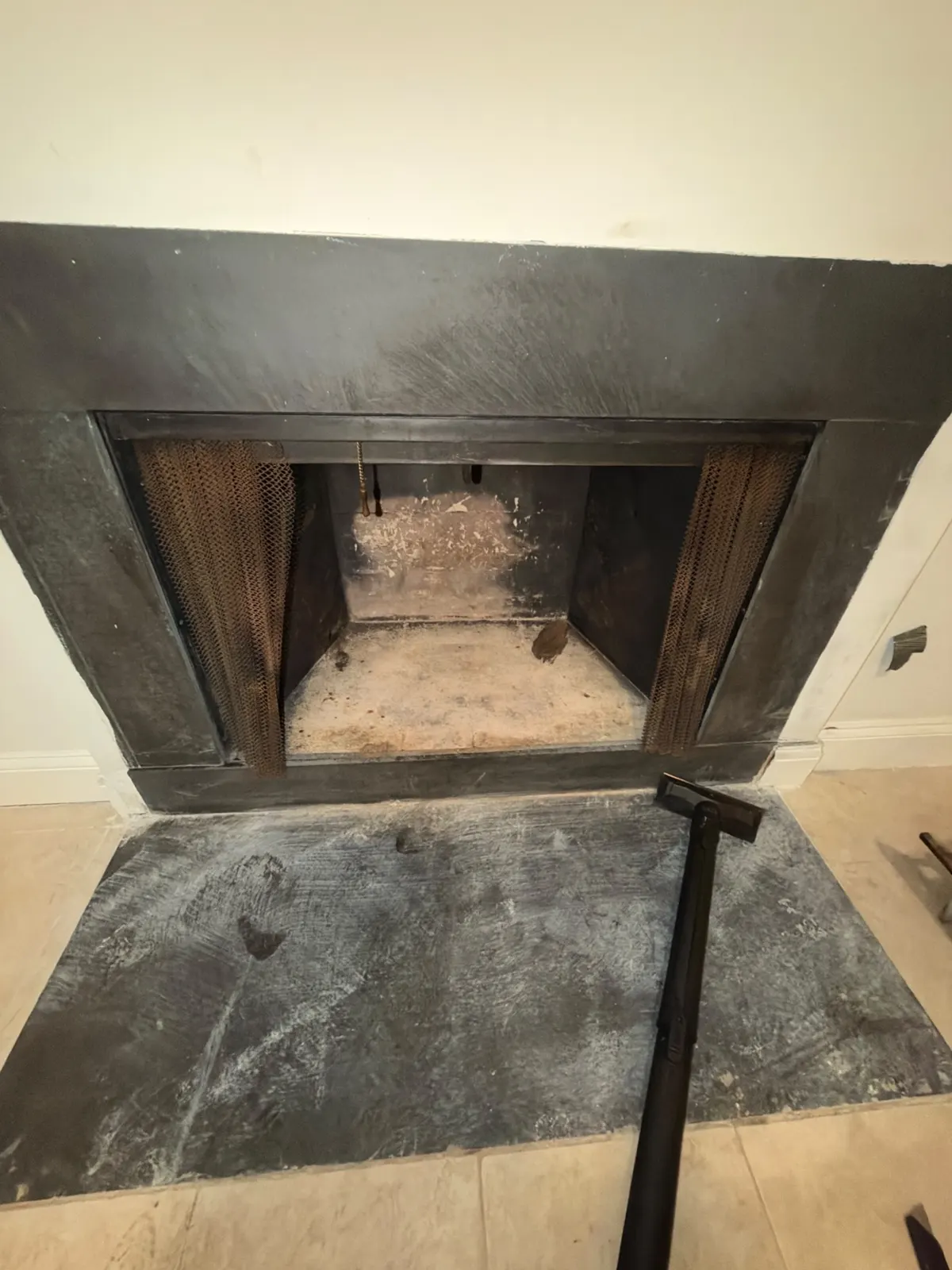
A full sweep of the flue, firebox and smoke chamber — creosote gone, draft restored, and a written condition report before we leave.
Learn more →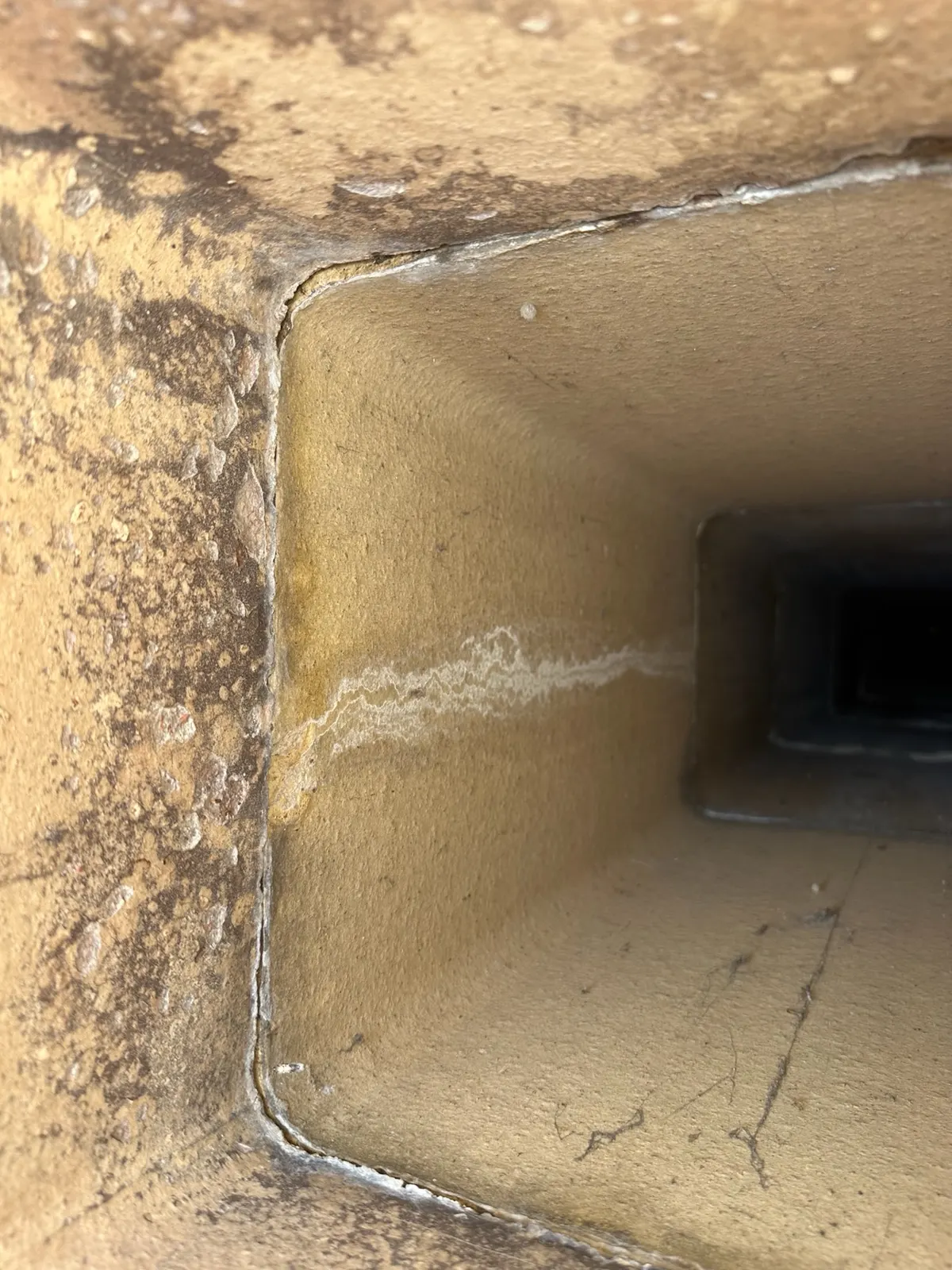
Level 1 and Level 2 chimney inspections with camera scanning, a photo report and straight answers — for annual checks, home sales and after a chimney fire.
Learn more →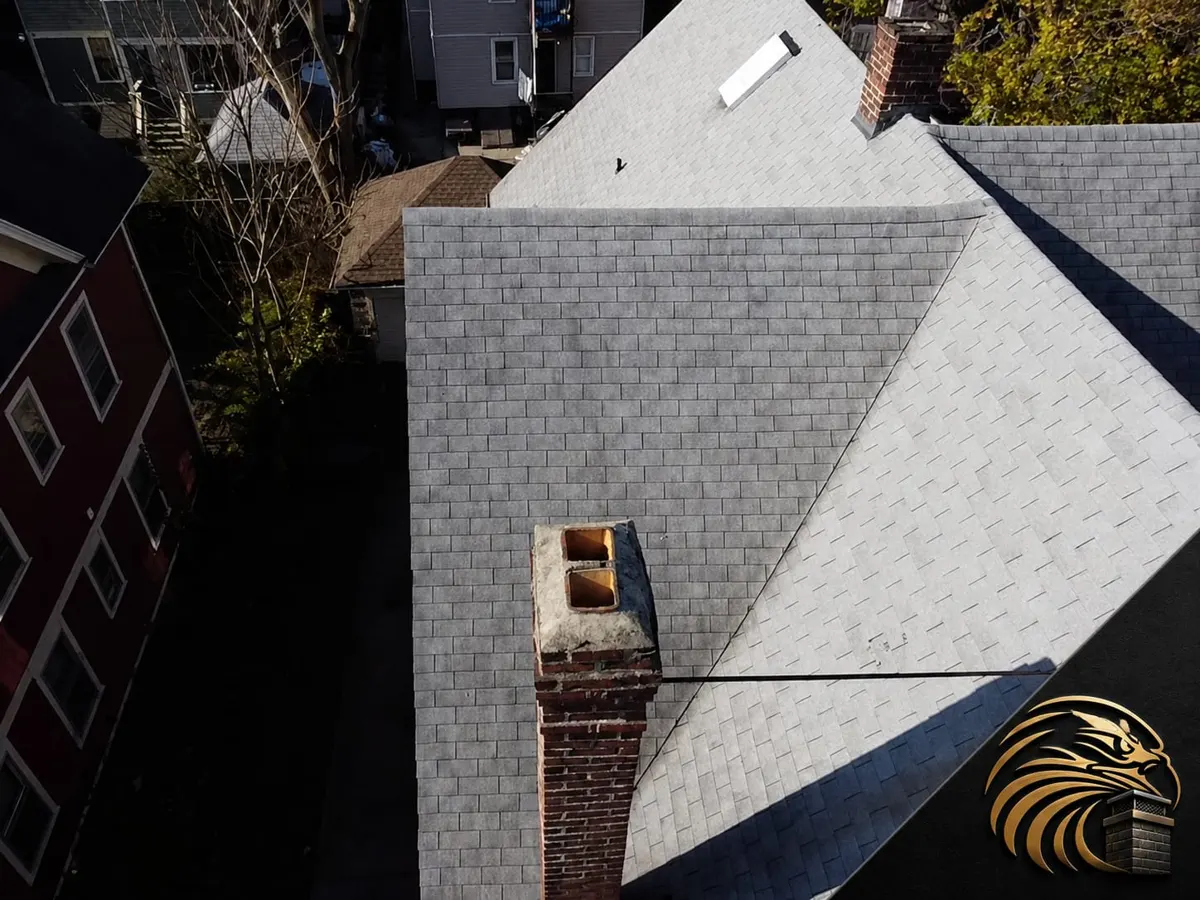
The annual inspection for chimneys in regular service: every accessible part checked, condition documented, safety confirmed for another season.
Learn more →
Camera inspection of the entire flue, plus attics, crawl spaces and concealed areas — the inspection for home sales, chimney fires and appliance changes.
Learn more →