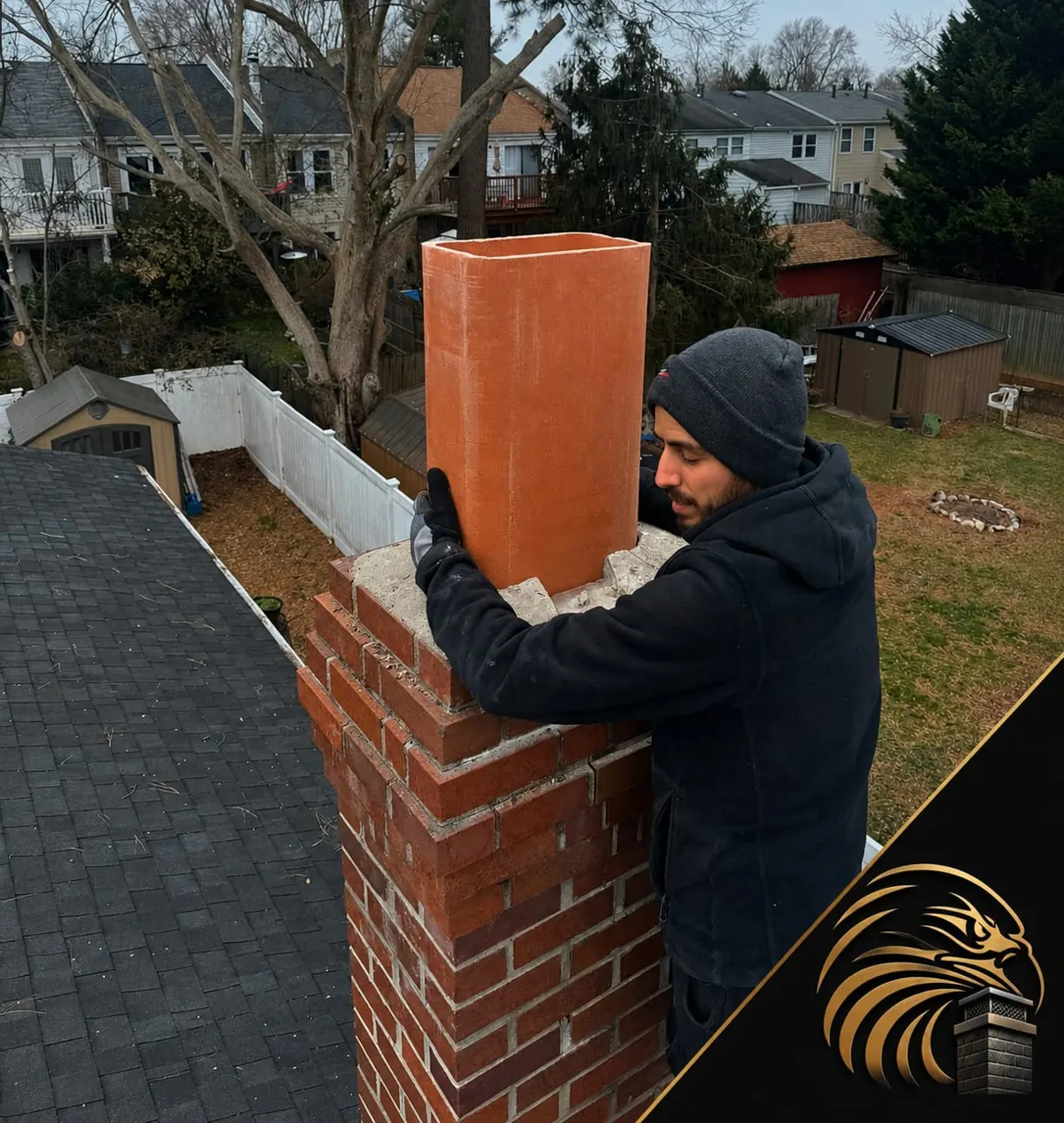
Smoke chamber parging and repair for New Jersey fireplaces — a smooth, sealed chamber restores draft and removes a hidden fire risk.
The smoke chamber is the funnel above your firebox that squeezes smoke and gases into the flue — and in most masonry fireplaces it was built rough: stepped, corbelled brick with ledges that catch creosote and gaps that leak heat into the framing. It is the least visible part of the system and one of the most common findings on a camera inspection: cracked parging, missing mortar, sometimes daylight where no daylight should be.
We repair smoke chambers by parging — coating the stepped brick with high-temperature refractory material to form the smooth, sloped, sealed surface the chamber was supposed to have. The work is done from inside the firebox with the flue sealed off, and it transforms how the fireplace behaves: better draft, less smoke roll-out, and a chamber that no longer hides creosote in its ledges.
Tell us about your chimney or gas fireplace — we confirm every request by phone. Prefer to talk? Call (855) 424-6217.
Every ledge in a corbelled chamber is a shelf for creosote, and every gap is a path for heat to reach wood framing that was never meant to see it. Chamber defects show up as a fireplace that smokes at startup, a flue that loads with creosote faster than the burning pattern explains, and — in the serious cases our cameras find in older Monmouth and Camden County homes — charred framing inches from the chamber wall. Parging addresses all three at once, which is why it is the standard repair, not a cosmetic one.
If the chamber’s brick is sound and the problem is surface — stepped corbels, cracked coating, open joints — parging restores it fully. If the masonry itself has failed, shifted or been damaged by a chimney fire, the chamber needs partial rebuilding, and we will show you the camera footage that makes the call. Most chambers we inspect are pargeable; the honest split is part of the report either way.
This work is searched for by many names. Every service below is performed as part of — or booked through — this one:
Usually you do not — it is found on a Level 2 camera inspection, often during a home sale or after smoke problems start. If your fireplace smokes at startup despite a clean flue, the chamber is a prime suspect.
A coating of refractory cement troweled over the chamber’s stepped brick to create one smooth, sloped, heat-resistant surface. It seals gaps, removes creosote-catching ledges and restores the funnel shape.
Most smoke chamber parging is a single-day job, including the cleaning and camera work. The coating needs a cure period before the first fire — we will give you the exact timing for the product used.
If the chamber is the cause — rough surfaces and leaks disturbing the draft — yes, the improvement is usually obvious at the first fire. If the cause is flue sizing or house pressure, we diagnose that separately and say so.
It can be. Gaps in the chamber let heat and flame reach combustible framing, and creosote ledges raise chimney-fire risk. It is one of the findings we classify as fix-before-burning when the damage is open.
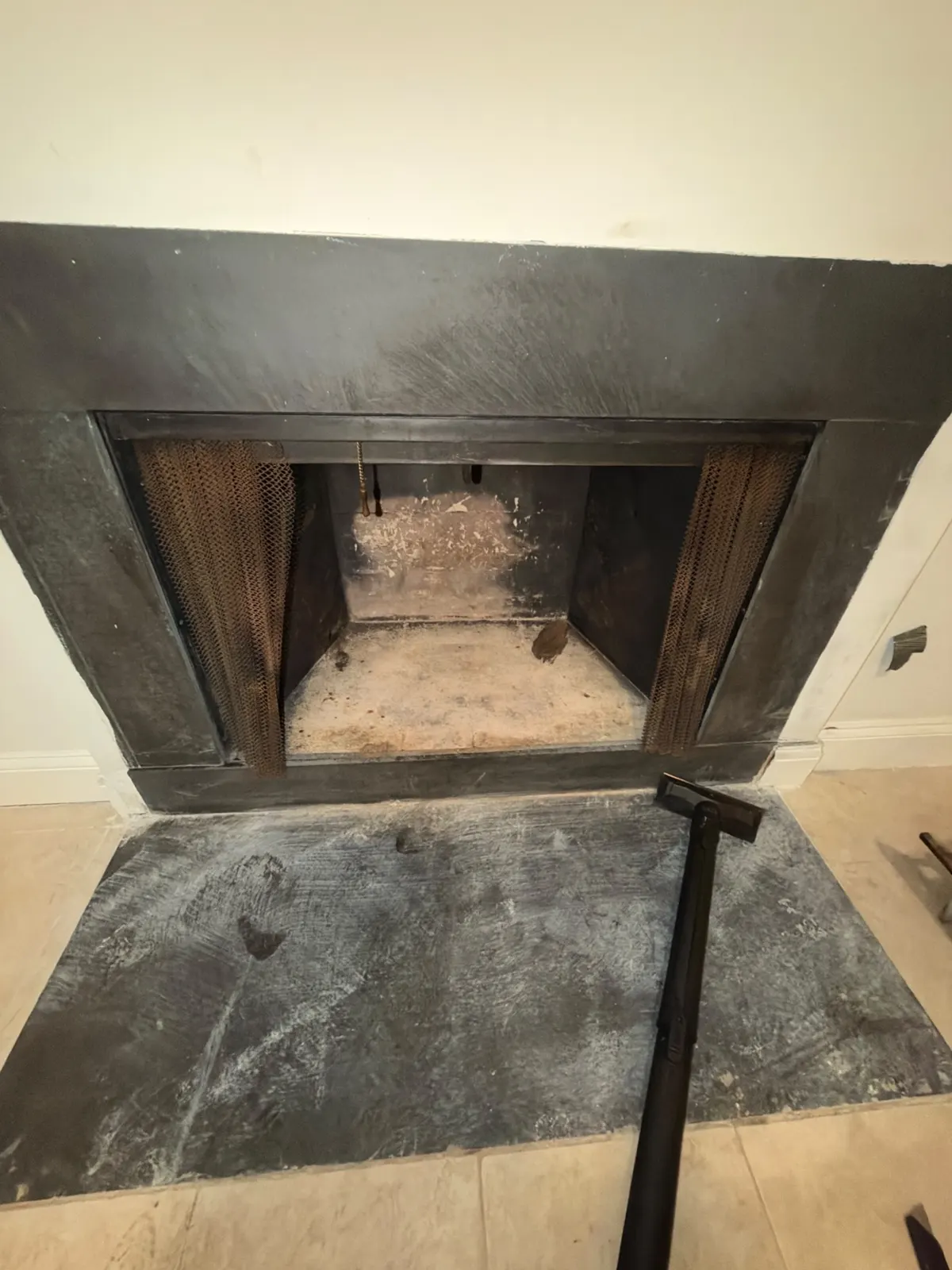
A full sweep of the flue, firebox and smoke chamber — creosote gone, draft restored, and a written condition report before we leave.
Learn more →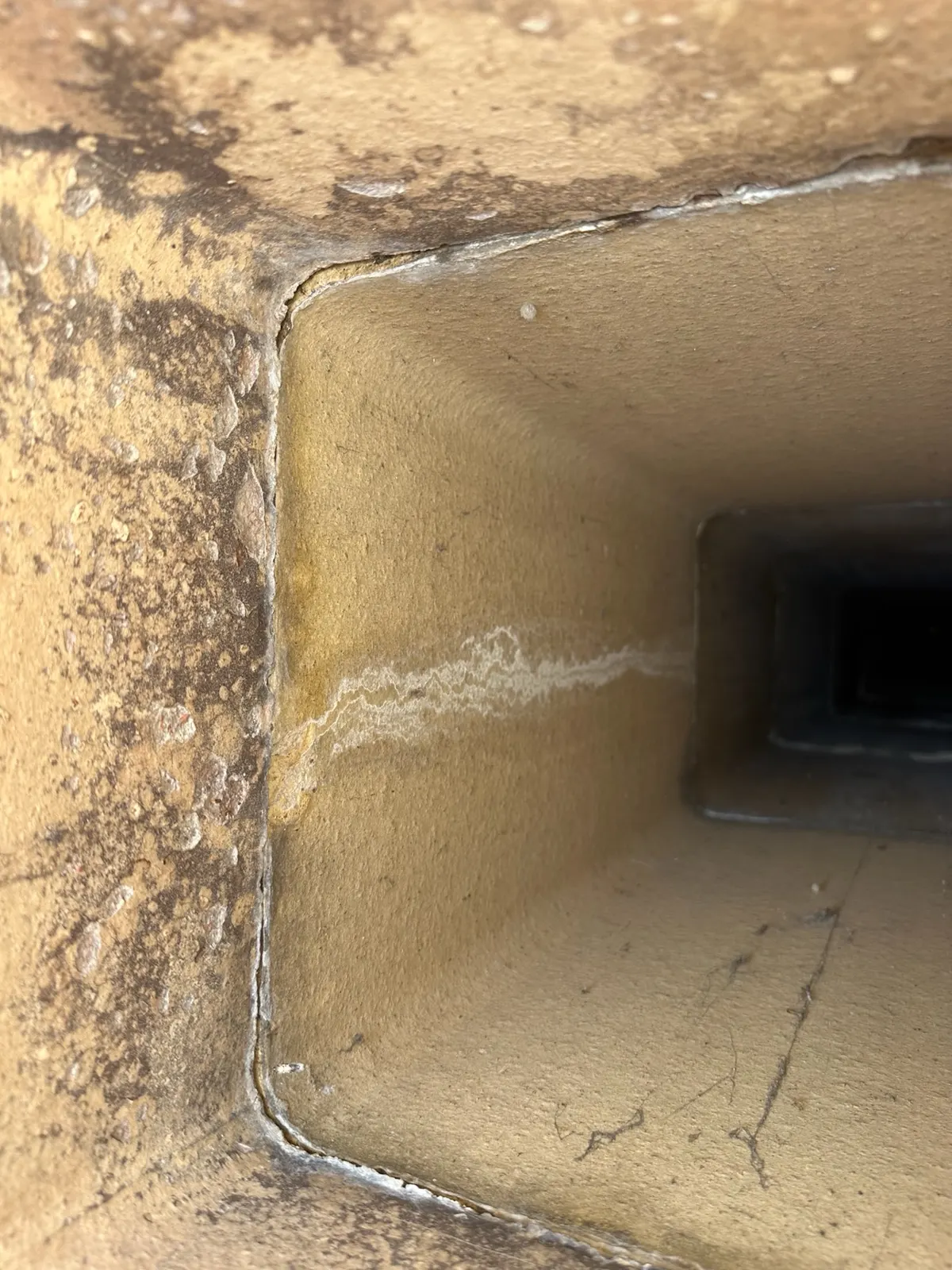
Level 1 and Level 2 chimney inspections with camera scanning, a photo report and straight answers — for annual checks, home sales and after a chimney fire.
Learn more →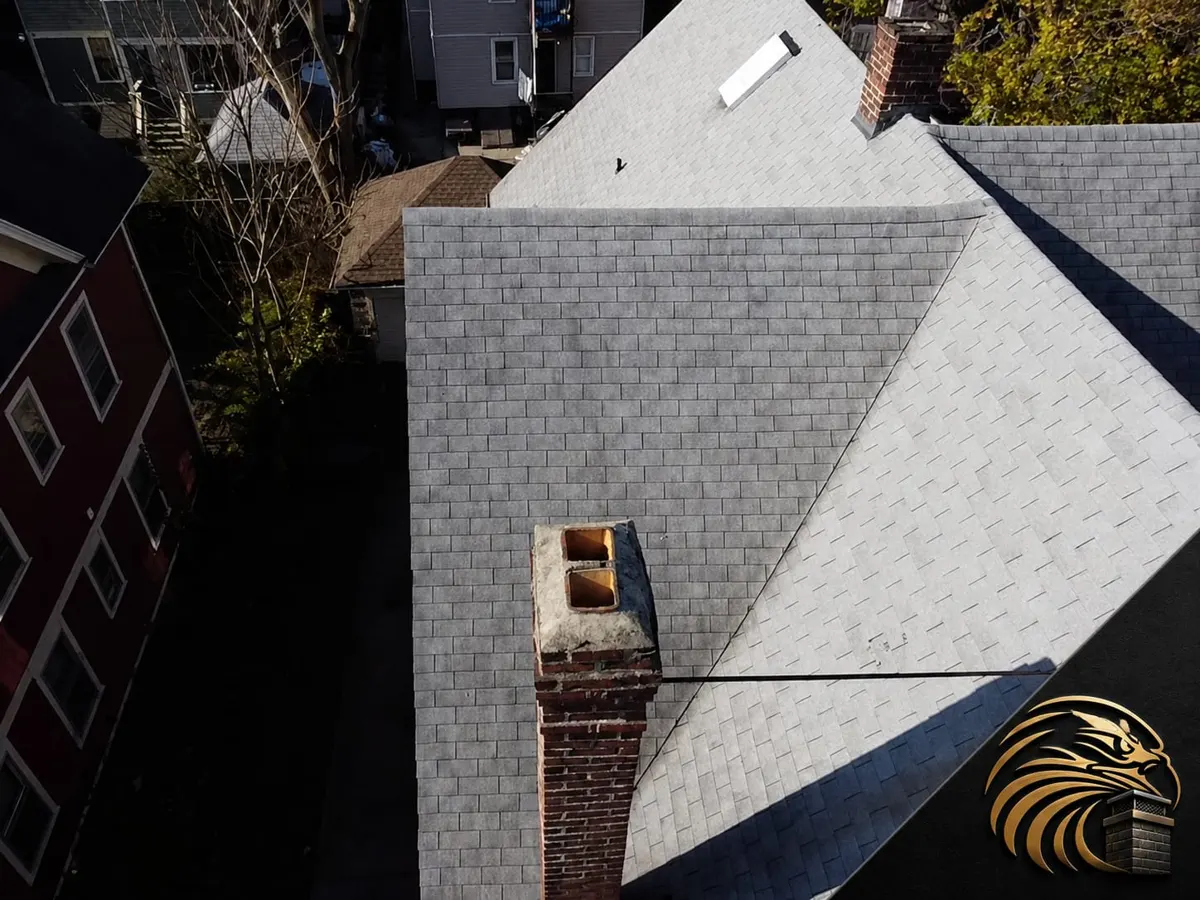
The annual inspection for chimneys in regular service: every accessible part checked, condition documented, safety confirmed for another season.
Learn more →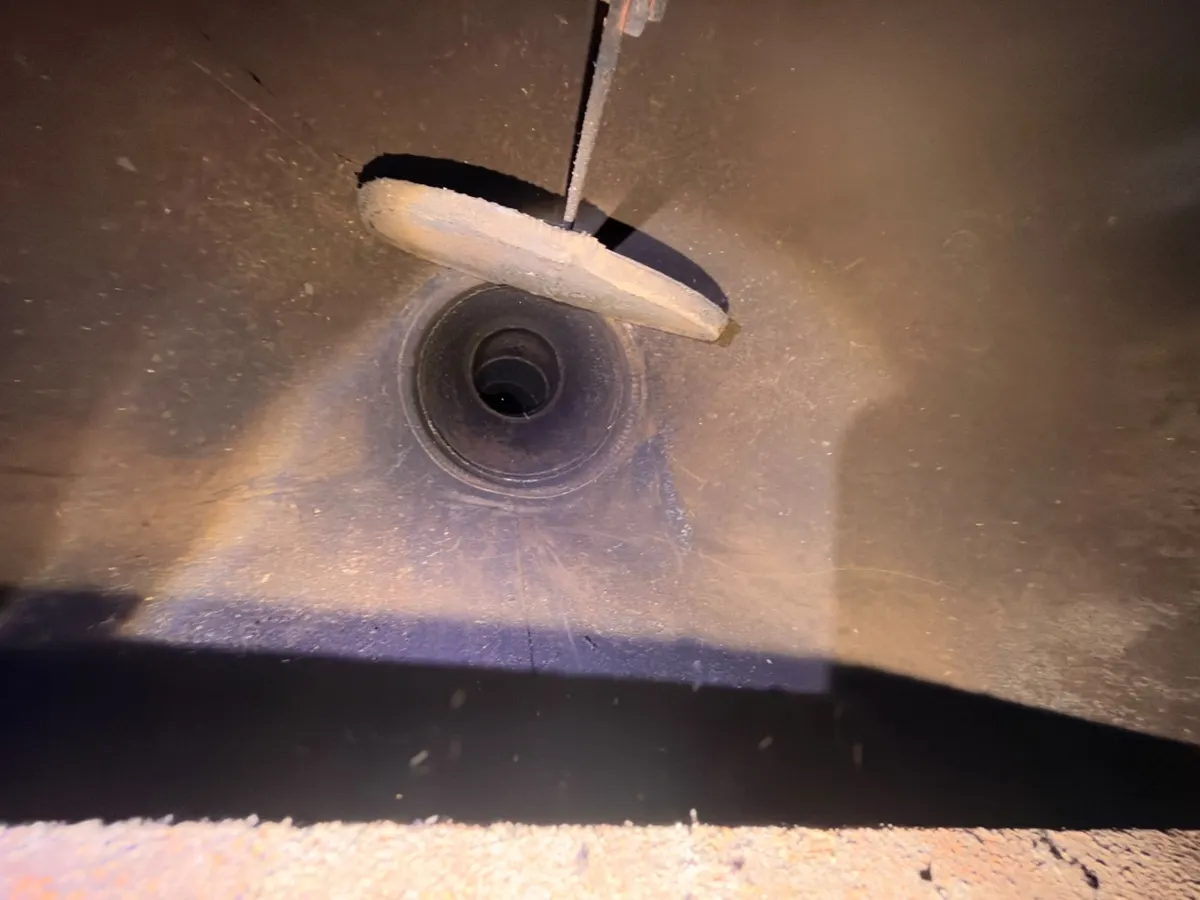
Camera inspection of the entire flue, plus attics, crawl spaces and concealed areas — the inspection for home sales, chimney fires and appliance changes.
Learn more →